- The Ipon Challenge
- Posts
- 🧠 Why Smart People Still Go Broke (The Psychology of Money)
🧠 Why Smart People Still Go Broke (The Psychology of Money)
Why smart people still go broke: lessons from The Psychology of Money on behavior, wealth, and building long-term financial security.

Marianne Lim
March 23, 2026

After reading Morgan Housel’s The Psychology of Money, I realized that doing well with money has very little to do with how smart you are and everything to do with how you behave.
You can be a genius and still go broke if you can't control your emotions. Conversely, an average person with no financial education can be wealthy if they have a handful of behavioral skills that have nothing to do with IQ.
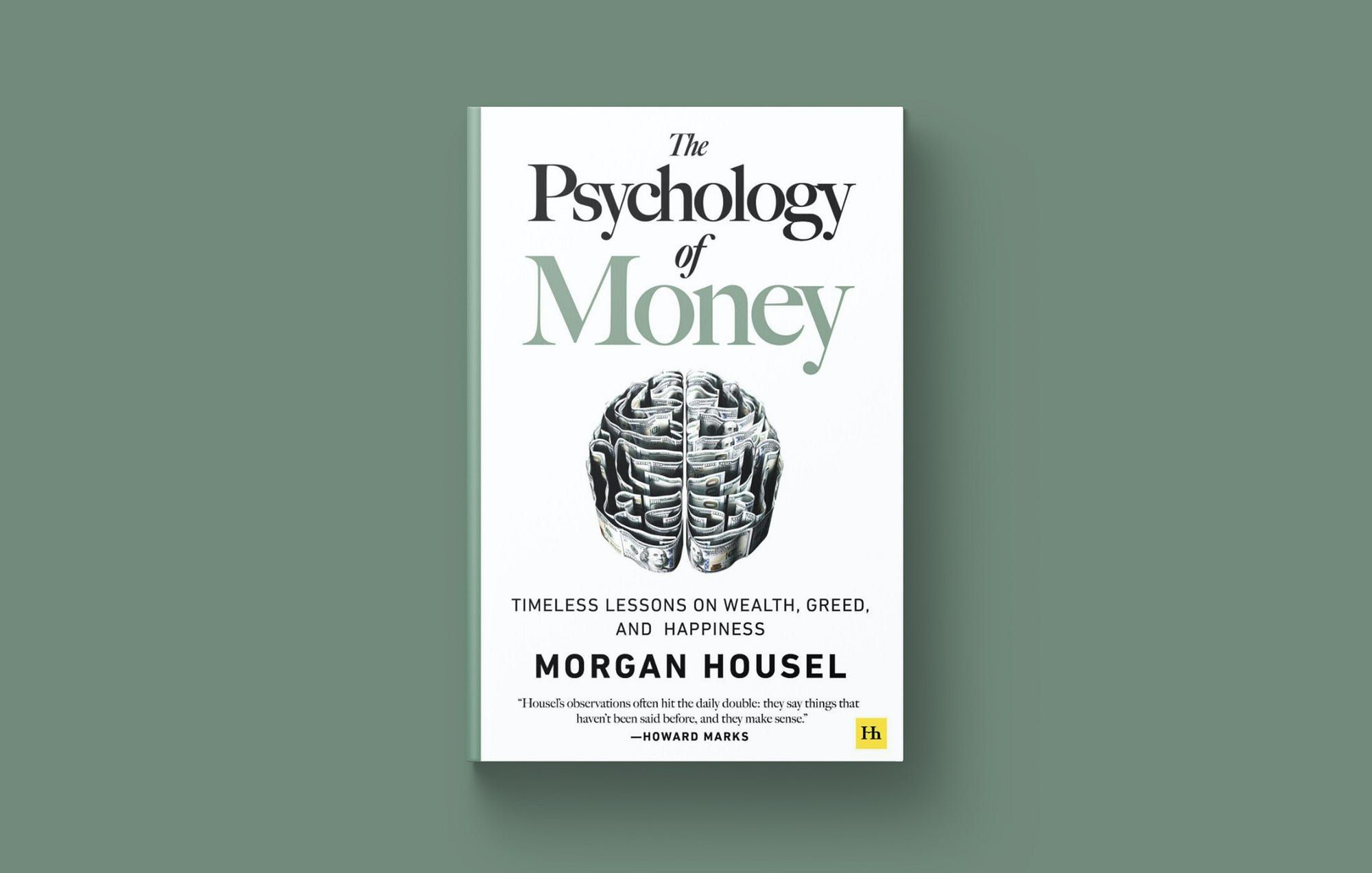
Here are the 4 biggest lessons I took from the book.
In today’s edition, we’ll go over:
Your "Financial DNA" Isn't Your Fault
Wealth Is What You Don’t See
Getting Wealthy vs. Staying Wealthy
Time is the Highest Dividend Money Pays
TLDR;
The Bottom Line
Being good with money isn’t about intelligence. Your upbringing shapes how you save, spend, and invest, but long-term wealth comes from controlling emotions, avoiding lifestyle inflation, and giving yourself room for error.
4 Biggest Lessons from The Psychology of Money
1. Your "Financial DNA" Isn't Your Fault
We all come from different backgrounds. Maybe you were raised by parents who were business-savvy: people who saw every peso as a seed to be thrown back into a new venture or a side hustle. To them, "investing" means taking a big swing.
On the flip side, maybe your parents were focused entirely on saving for a "rainy day." They taught you that the world is unpredictable and the safest place for a peso is tucked away where no one can touch it.
Your "Financial DNA" is shaped by the world you saw when you were young. That’s why someone might invest their entire paycheck into a high-risk startup while yours is tucked safely in a high-yield savings account. Neither decision is wrong. We just have varying levels of risk appetite and different rules for playing the game. What looks like a reckless gamble to you might look like the only way out to them, based on the world they grew up in.
The Takeaway: Stop comparing your portfolio to others. Your job isn't to beat the market. It's to build a life that makes you feel secure.
2. Wealth Is What You Don’t See
In the Philippines, we have a massive, deep-seated inkling to show off to our neighbors. I see this not just in the city, but even in the province.
I remember when my aunt got a huge payout from her job. The very first thing she did was start a massive home renovation. But in the middle of the construction, my uncle got hospitalized. Suddenly, the money was gone. Today, that house sits half-constructed—a skeleton of a dream because the funds had to be pushed to medical bills.
Housel argues that Wealth is the money that hasn’t been spent yet.
The Takeaway: Don't let "looking rich" prevent you from actually becoming wealthy. Wealth is the silence of a funded bank account.
3. Getting Wealthy vs. Staying Wealthy
Getting wealthy requires taking risks, being optimistic, and putting yourself out there. But staying wealthy requires the exact opposite: humility, and a healthy dose of fear that what you have could be taken away.
This is why I obsess over emergency funds. If you lose your job and have to pull money out of your investments when the market is down, you’ve lost the game.
The Takeaway: You need a "Room for Error." Your plan should have a plan for when the plan doesn't go according to plan.
4. Time is the Highest Dividend Money Pays
We often think we want money so we can buy things, but what we actually crave is control. Housel says that the greatest intrinsic value of money is its ability to give you control over your time. Being able to do what you want, when you want, with who you want, is the ultimate return on investment.
For us, maybe that means not having to take a soul-crushing corporate job just to cover rent. Or being able to spend a random Tuesday with our parents because they’re getting older and we want to be there.
The Takeaway: Don't just save for a "target amount." Save for the "ability to walk away."
Final Thoughts
Once you understand your own psychology and the parental "rules" you were raised with, you stop fighting against yourself and start building for the person you want to be in 10 years.
What kind of "Financial DNA" did you grow up with? Were your parents "Rainy Day" savers or "Business Swingers"? Reply and let me know. I’d love to hear your story.