- The Ipon Challenge
- Posts
- ✉️ Envelope Budgeting: Is This the Right System for You?
✉️ Envelope Budgeting: Is This the Right System for You?
A practical guide to envelope budgeting in the Philippines: how it works, how to implement it, and whether it fits your financial situation.

Marianne Lim
March 09, 2026

Envelope budgeting is simple in theory: you divide your money into categories and stop spending when the category runs out.
But the value isn’t in the envelopes. It’s in the structure. If you want to implement this properly, here’s how to do it.
In today’s edition, we’ll go over:
How to implement the Cash Envelope System in your life
Pros and cons of the Envelope Budgeting System
TLDR;
The Bottom Line
Envelope budgeting helps control overspending by setting clear limits for each spending category. It works best if your problem is impulse or variable spending. But if your issue is low income, high debt, or unstable cash flow, envelopes won’t fix that.
How to do it: Know your income, assign limits to categories, separate the money, track spending, and stop when the envelope is empty. Review and adjust monthly.
The content
How to Implement the Cash Envelope System in Your Life
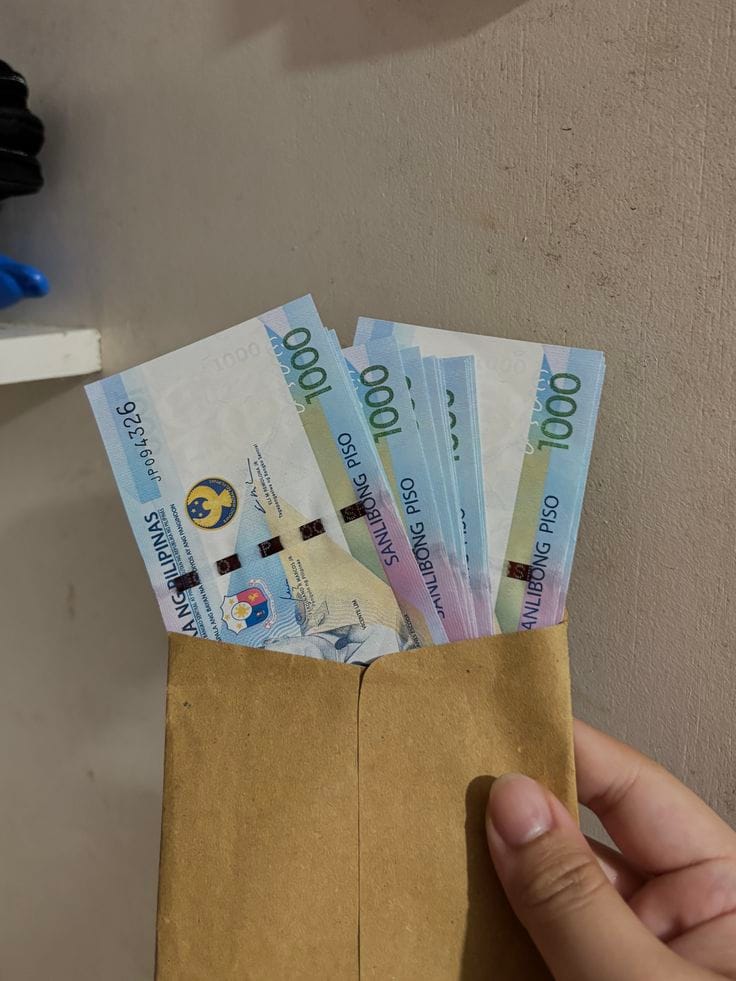
Source: Khant on Pinterest
Step 1: Calculate Your Real Monthly Income
Don’t use your highest earning month and don’t assume bonuses.
List your reliable income sources:
Salary (take-home pay)
Freelance or side hustle income
Regular allowances
If you earn ₱60,000 from your job and ₱15,000 from freelance work, your working monthly income is ₱75,000.
If freelance income fluctuates, use a conservative average. Build your budget on stable numbers and not on projected growth.
Step 2: Identify and Categorize Your Expenses
Before creating envelopes, review where your money already goes. Open your last 2–3 months of bank statements or expense history.
Group expenses into three categories:
Fixed Expenses | Variable Essentials (necessary but spending fluctuates) | Discretionary Spending (flexible) |
|---|---|---|
Rent (₱15,000) | Groceries | Eating out |
Utilities (₱4,000) | Transportation (fuel, Grab, jeep, MRT) | Shopping |
Internet (₱1,500) | Mobile load | Subscriptions/Entertainement |
Insurance and loan payments | Household items | Miscellaneous |
If groceries usually cost ₱7,000–₱9,000, budget close to that range. Don’t under-allocate just to feel disciplined.
Align your envelopes with your real behavior first. Adjust later.
Step 3: Allocate Your Money
Now assign limits.
If your monthly income is ₱75,000, your structure might look like:
Rent – ₱15,000
Utilities – ₱5,500
Groceries – ₱8,000
Transportation – ₱4,000
Eating Out – ₱3,000
Miscellaneous – ₱4,500
Savings – ₱10,000
Remaining buffer – ₱25,000 (adjust based on your numbers)
Fund essentials first. Treat savings as a required “expense” at the start of the month, not something you allocate at the end when everything is spent.
Set caps on discretionary categories. Don’t “estimate” them loosely.
Step 4: Separate the Money
Now separate the funds physically or digitally.
Option A: Physical Cash
Withdraw cash for variable categories and label envelopes:
Groceries
Eating Out
Transportation
Personal
Once an envelope runs out, stop spending in that category.
Option B: Digital Envelopes
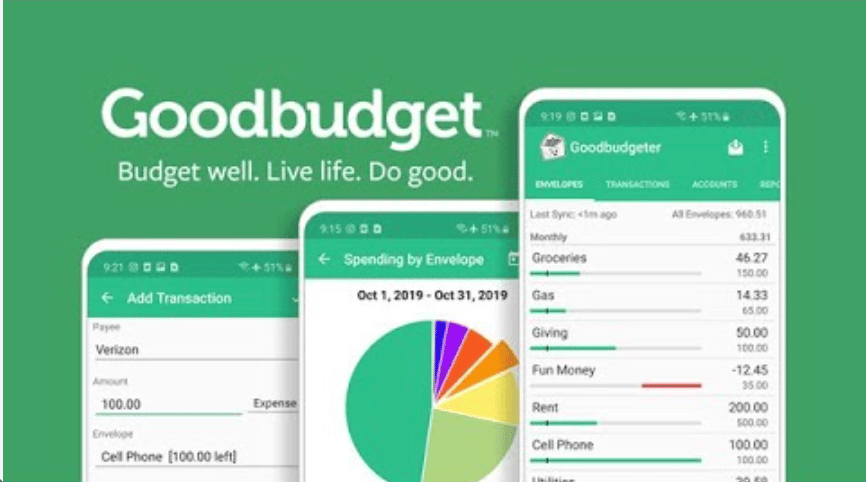
Source: Goodbudget
If you spend mostly online:
Use separate bank accounts
Create digital “goals” in your banking app
Use budgeting apps with strict category caps
Check GoodBudget. Available on Playstore and Appstore
Step 5: Track Spending Immediately
Each time you spend, deduct it from the correct envelope. If you spend ₱1,200 on groceries, subtract it from the ₱8,000 allocation.
Step 6: Stop When the Envelope Is Empty
When a category runs out, pause spending. If your Eating Out envelope empties by the 18th, either stop spending or consciously move money from another envelope.
Force yourself to decide. Don’t automatically “borrow” from next month.
Step 7: Review and Adjust
At the end of the month, review:
Which categories ran out too early?
Which categories had leftover funds?
Where did your assumptions miss reality?
Adjust allocations next month. Envelope budgeting is only sustainable if it works for your life.
Is it for You?
Pros and Two Cons of the Envelope System
Pros
Creates visible spending limits
Reduces impulse purchases in variable categories
Cons
Feels rigid with irregular income
Requires consistent tracking discipline
Is This the Right Budgeting System for You?
Envelope budgeting works best when overspending in flexible categories is your main challenge. It creates visible limits and forces real trade-offs, which can quickly improve discipline.
But if your core issue is low income, high debt, or unstable cash flow, envelopes won’t solve that. Be honest about what’s actually holding you back. The right budgeting system isn’t the most popular one but the one that addresses your real weakness.